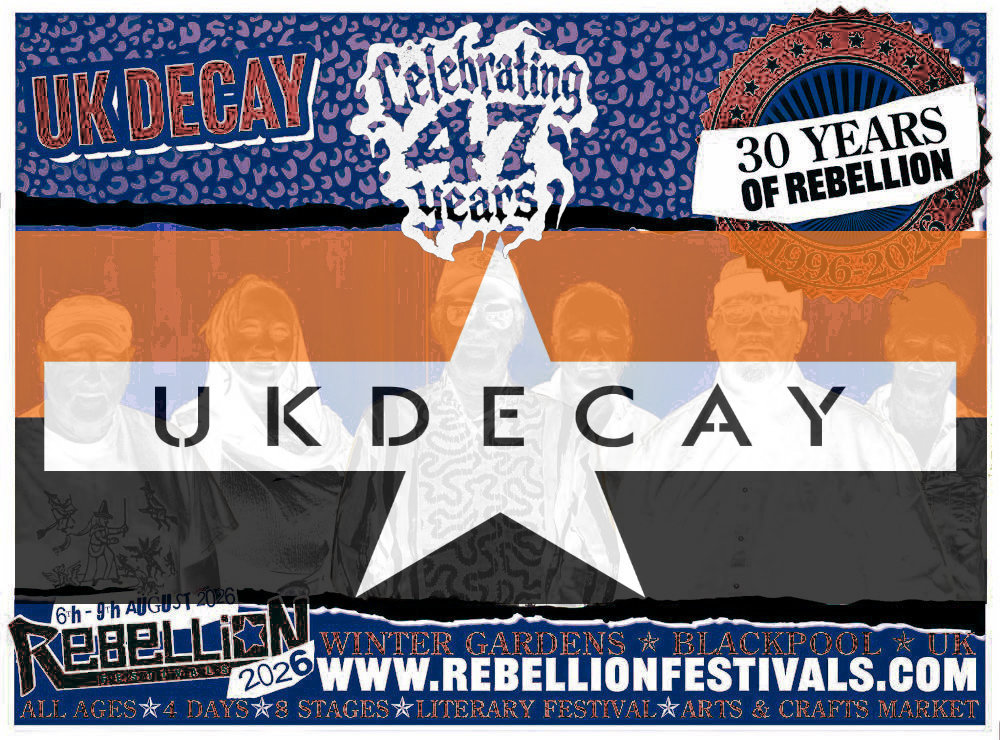
A Systematised Paraphrase of This Interview with Steve Spon (UK Decay) Supplemented with Specialist Sources: Originally copied from Gotik.org, with slight editorial corrections
https://gotik.org/the-genesis-of-gothic-rock/
1. The Punk Foundation and the Luton Scene
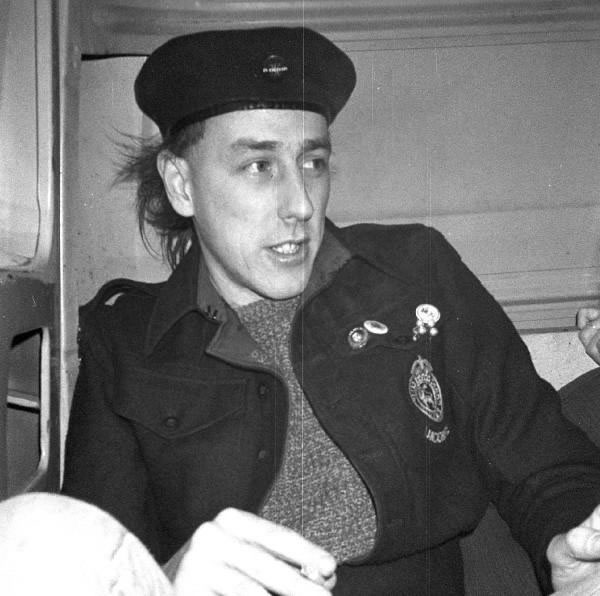
The emergence of gothic rock in the late 1970s and early 1980s cannot be properly understood without first considering the punk movement from which it sprang. Steve Spon, guitarist of UK Decay — one of the earliest bands to be associated with the nascent gothic rock genre — provides a first-hand account of the transition from punk to what would eventually be termed “goth.” His testimony sheds light on the organic, unplanned nature of this evolution, rooted in the provincial English town of Luton, Bedfordshire, roughly thirty miles north of London.
Luton occupied a peculiar position in the geography of British punk. Its excellent rail connections to London (St Pancras could be reached in approximately twenty-five minutes by Intercity train) meant that residents had full access to the capital’s cultural offerings. This proximity, however, simultaneously undermined the establishment of large-scale local venues, as audiences could always travel to London for more prominent events. Consequently, Luton lacked the sort of major performance spaces found in neighbouring towns such as Dunstable (home to the California Ballroom), Aylesbury (Friars Civic Hall), Hemel Hempstead (the Pavilion), or St Albans (the Civic Hall). The local punk scene was therefore compelled to operate within pubs, a fledgling art centre, and, later, college venues.

The art centre in question hosted an eclectic programme encompassing alternative comedy, dramatic productions, art installations, and live music. It was run by individuals with broad musical interests, predominantly jazz, though several organisers had a genuine affinity for punk. A collective known as the Reflex was instrumental in staging early punk events in Luton, including a now-legendary appearance by The Damned — one of the first punk bands to release a single, with “New Rose” in 1976. The Damned’s visit to Luton, probably in late 1976, represented one of the town’s first direct encounters with punk performance. The venue had arranged conventional seating with chairs and tables, entirely ill-suited to the explosive energy of a punk act. The band’s chaotic performance, including vocalist Dave Vanian’s dramatic stage antics, left a lasting impression on the local audience. After the performance, the band reportedly caused disturbances in the town centre, reportedly breaking into a chemist’s shop in search of further stimulation.
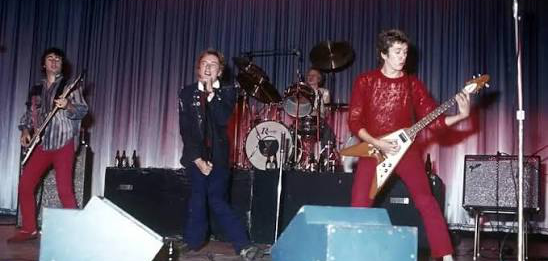
This foundational event, together with a subsequent attendance at a Sex Pistols concert with The Jam as support at the Queensway Hall in Dunstable (probably late 1976 or early 1977), constituted Spon’s initiation into punk music. Luton’s very first punk band was called The Jets, who performed at the Roxy in London during the first wave of punk and appeared on the inaugural Roxy punk compilation album. The Jets thus established Luton’s credentials within the broader punk movement, though they were not strictly punk in the purist sense but rather appealed to the punk audience through their formation and energy.
2. The Formation of UK Decay and DIY Ethics
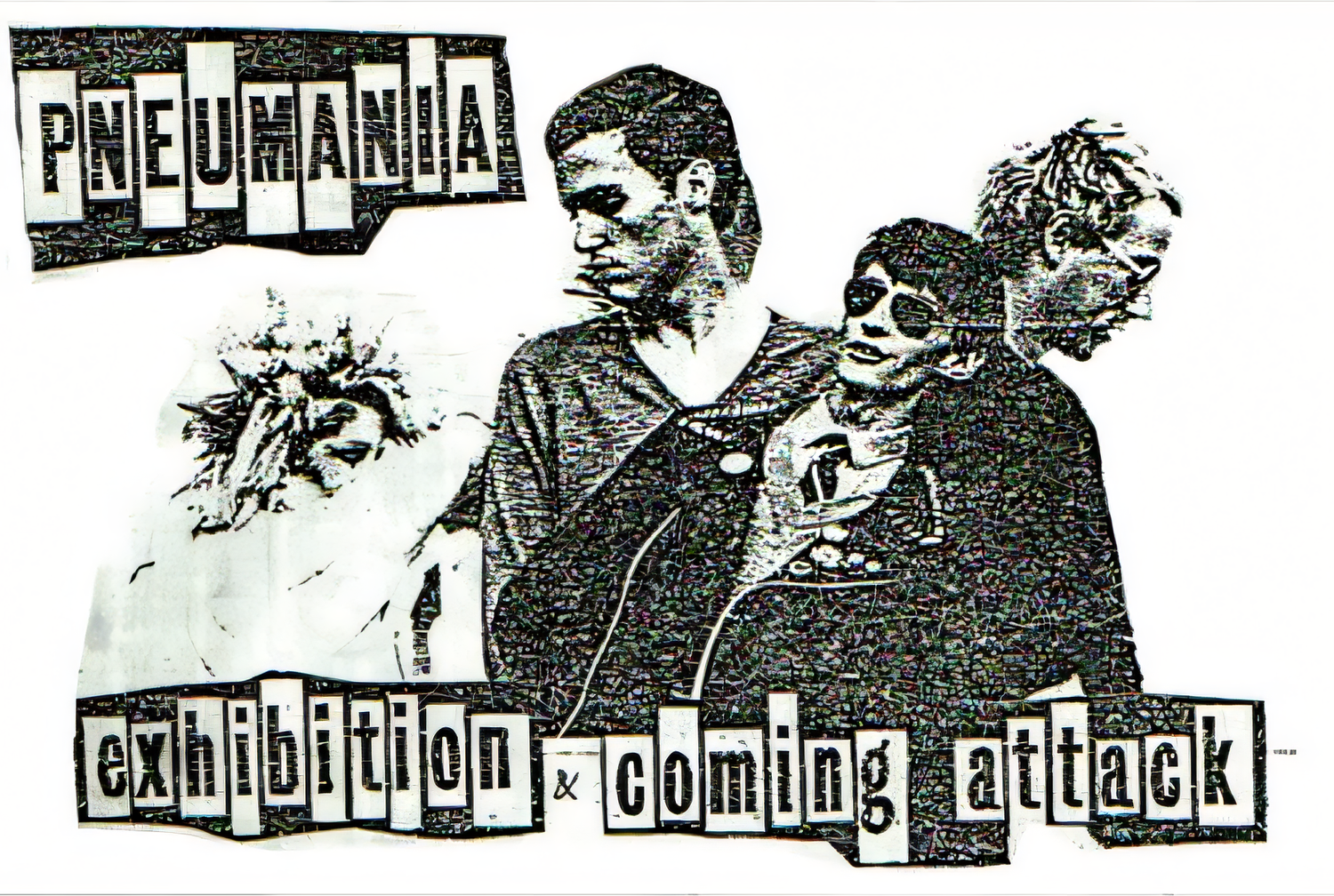
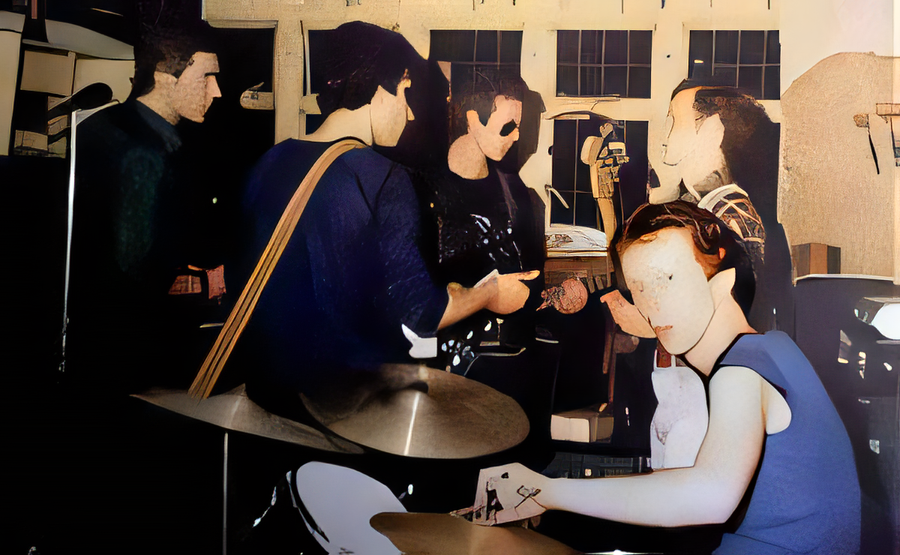
Spon’s path to UK Decay involved several prior musical projects. Initially a keyboard player, he was swept up by the punk explosion of 1976–77 and resolved to deconstruct everything he had previously learnt about music. He put down the keyboards and picked up the guitar, deliberately beginning with only four strings as a means of stripping back to fundamentals. His early band, variously known as Snow White and Sick Punks and later Pneumania (sometimes rendered New Mania), was a new wave act that emerged on the crest of the punk explosion. By early 1979, the band had recruited a vocalist named Gaynor Griffiths, who had a striking appearance characterised by Jack Frost-style punky hair and Seditionaries clothing — the infamous punk fashion label associated with Vivienne Westwood and Malcolm McLaren’s shop at 430 King’s Road, Chelsea.
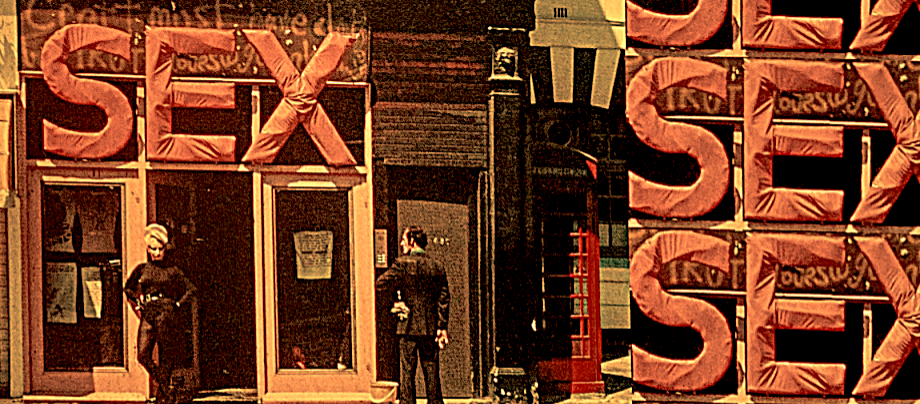
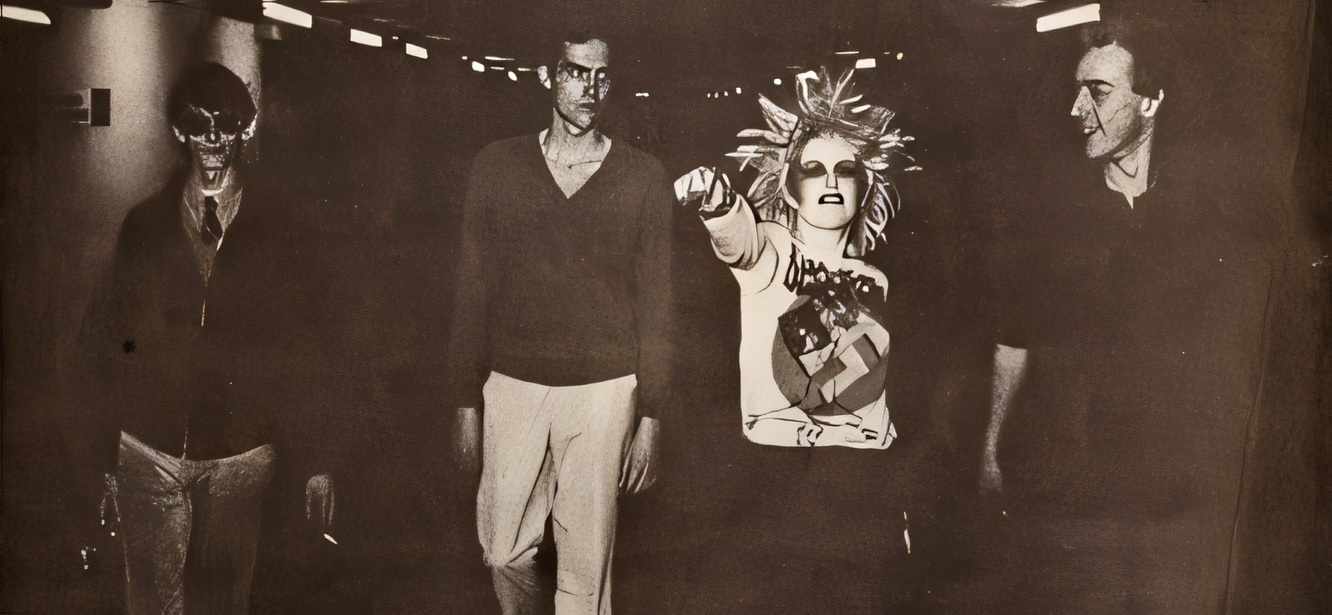
Pneumania rehearsed in the basement of an old Victorian terrace house in Luton, which also served as a communal living space. This basement rehearsal room attracted numerous other bands and singers. Among them was a group called The Resistors. As neither band could individually afford to press a single, the two acts devised a collaborative solution: a split single, with two tracks from each band on either side of a seven-inch record. To fund the pressing of approximately one thousand copies, Spon sold a Vox Continental organ, which constituted roughly half of his share of the estimated one thousand pounds required. The remainder came from pooled savings and contributions.
The production of this split single epitomised the do-it-yourself ethos that defined punk and would carry over into the early gothic scene. Each of the thousand copies was essentially handmade. The cover consisted of a long strip of paper that folded twice, with small edges tucked round to house the vinyl. Every record required eight or nine individual stamps to accommodate both band names, copyright information, and track listings. No two copies looked precisely alike, making each one a bespoke artefact. This artisanal approach to record production was emblematic of the independent spirit that would characterise the punk-to-goth transition.
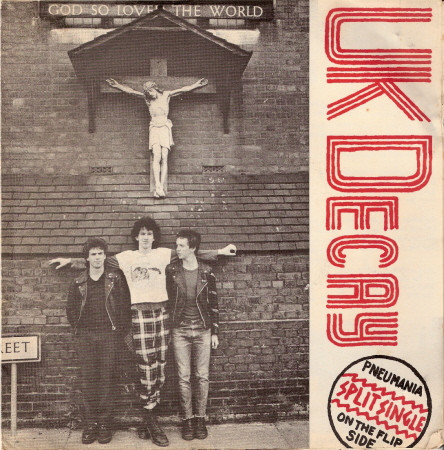
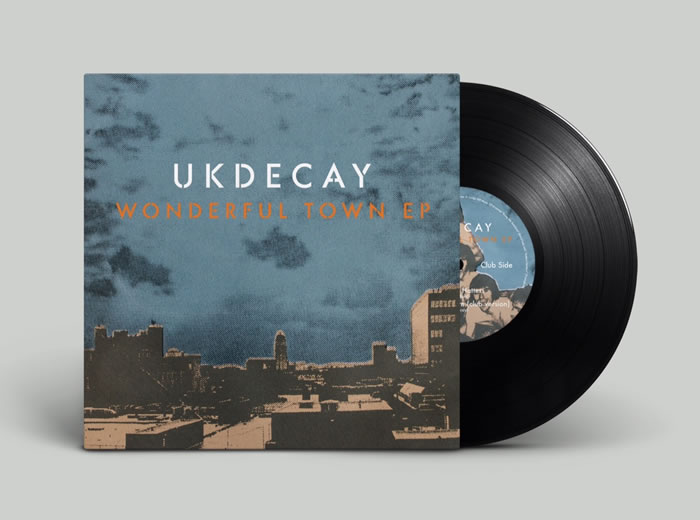
At the point of recording this split single, both bands changed their names. Pneumania adopted its new moniker, and The Resistors became UK Decay. This occurred around April or May 1979. The two bands also launched a fanzine documenting the Luton scene and began promoting gigs in local pubs and at Luton Technical College (later the University of Luton, subsequently the University of Bedfordshire), where one of their associates held a position on the student union social committee. It is worth noting that UK Decay, as documented by multiple historical sources, was formed from the Resiztors (an alternative spelling), whose line-up had consisted of guitarist Steve “Abbo” Abbott, drummer Steven David Harle, and bassist Martin “Segovia” Smith. After the departure of the group’s vocalists, the remaining members renamed themselves UK Decay, with Abbott assuming vocal and guitar duties.
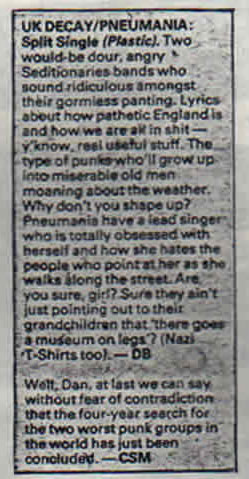
The split single received a devastating review from Charles Shaar Murray and Danny Baker in the New Musical Express, who declared it the worst punk record of all time. Far from destroying the band’s prospects, however, this hostile review produced a paradoxical commercial effect. Rough Trade, the band’s principal distributor at the time, reported that the several hundred copies they had taken sold out almost immediately following the NME review. Demand surged beyond the band’s capacity to supply. Having invested all available funds in the initial pressing, they lacked the working capital to finance a rapid repress, as they could not recoup revenues from their distributors quickly enough. The best they could manage was to promise a new pressing within three to six weeks. This episode vividly illustrated the punk-era truism that bad press could function as highly effective publicity.
3. The Luton–Northampton Axis: Meeting Bauhaus
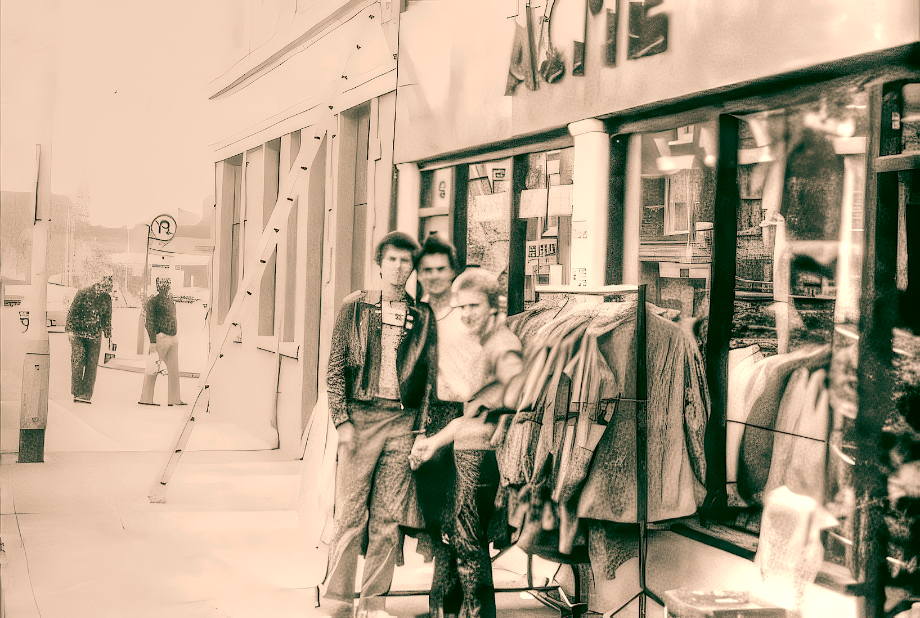
A pivotal moment in the development of what would become gothic rock occurred through a geographical coincidence. Spon, who worked as a van driver delivering electrical goods across the Home Counties during the day, discovered a punk record shop and clothing emporium called Acme (Acme Clothing and Records) in Northampton during one of his delivery rounds. The shop was festooned with posters for gigs and sold flyers, clothes, and records. Upon entering, Spon learnt that the proprietor managed several local bands and worked with a colleague named Graham Bentley. Among the bands promoted through the shop were Bauhaus 1919 (as they were then known, later shortened to Bauhaus) and a group called The Zeros.
Spon proposed a reciprocal arrangement: his two Luton bands (Pneumania and UK Decay) would travel to Northampton to support Bauhaus or one of the other acts, and in return, the Northampton bands would be given a platform in Luton. This exchange duly took place in 1979 and established a direct connection between the Luton and Northampton scenes — a connection that proved historically significant, as both UK Decay and Bauhaus would come to be regarded as founding acts of gothic rock. Bauhaus, formed in Northampton in 1978, released their landmark single “Bela Lugosi’s Dead” in August 1979, a track widely cited as the first gothic rock song. The nine-minute piece, with its haunting bassline by David J, eerie guitar effects from Daniel Ash, and Peter Murphy’s theatrical vocals, set the template for what would become the definitive gothic rock sound.
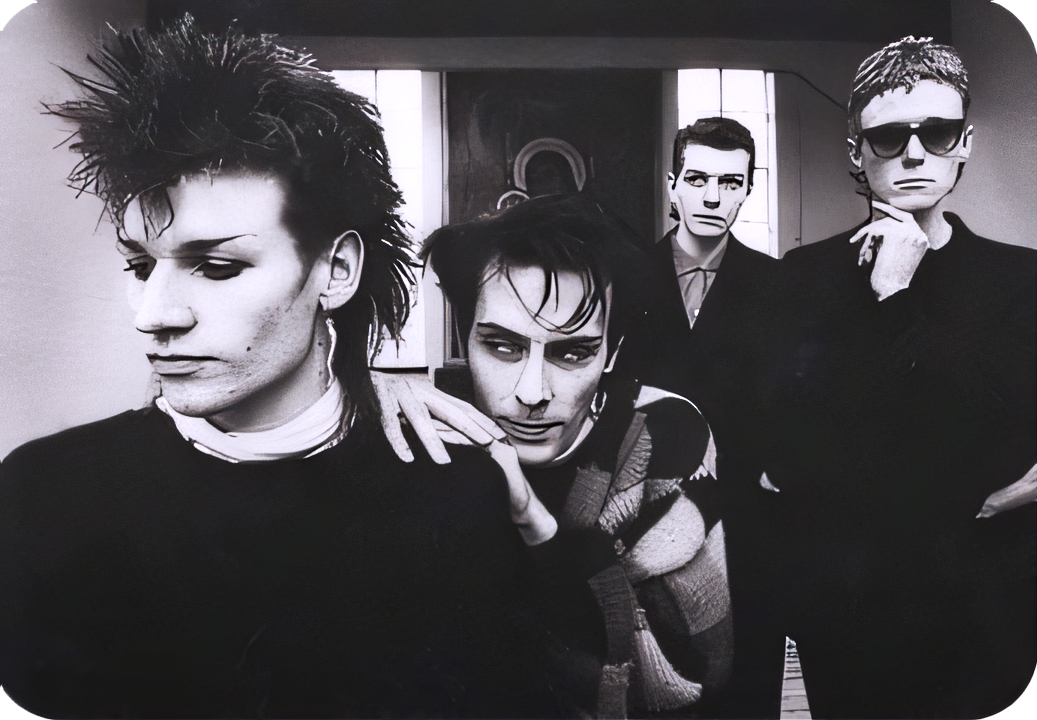
Spon’s first direct encounter with Bauhaus as performers took place at the Nag’s Head pub in Wollaston, a tiny venue approximately fifteen feet wide and forty feet long, with a capacity of perhaps eighty to one hundred people. The intimacy of the setting made Murphy’s theatrical stage presence all the more electrifying — and hazardous. During the performance, Murphy hurled his microphone stand into the audience, striking one of the Luton contingent (a pig farmer named Chris) on the forehead, causing a significant laceration and copious bleeding. The injured party was initially intent on physical retribution, but was dissuaded by his companions, who recognised the band’s potential importance.
This anecdote underscores a critical point: in 1979, neither UK Decay nor Bauhaus had yet achieved any significant status. Both were nascent acts operating within the same circuit of small pub venues and community halls. The gothic rock movement was not the product of a single visionary act but rather emerged from a network of simultaneously developing bands, each pushing the boundaries of punk in a darker direction.
4. The Darkening of Sound: Musical Innovation and the Proto-Gothic Aesthetic
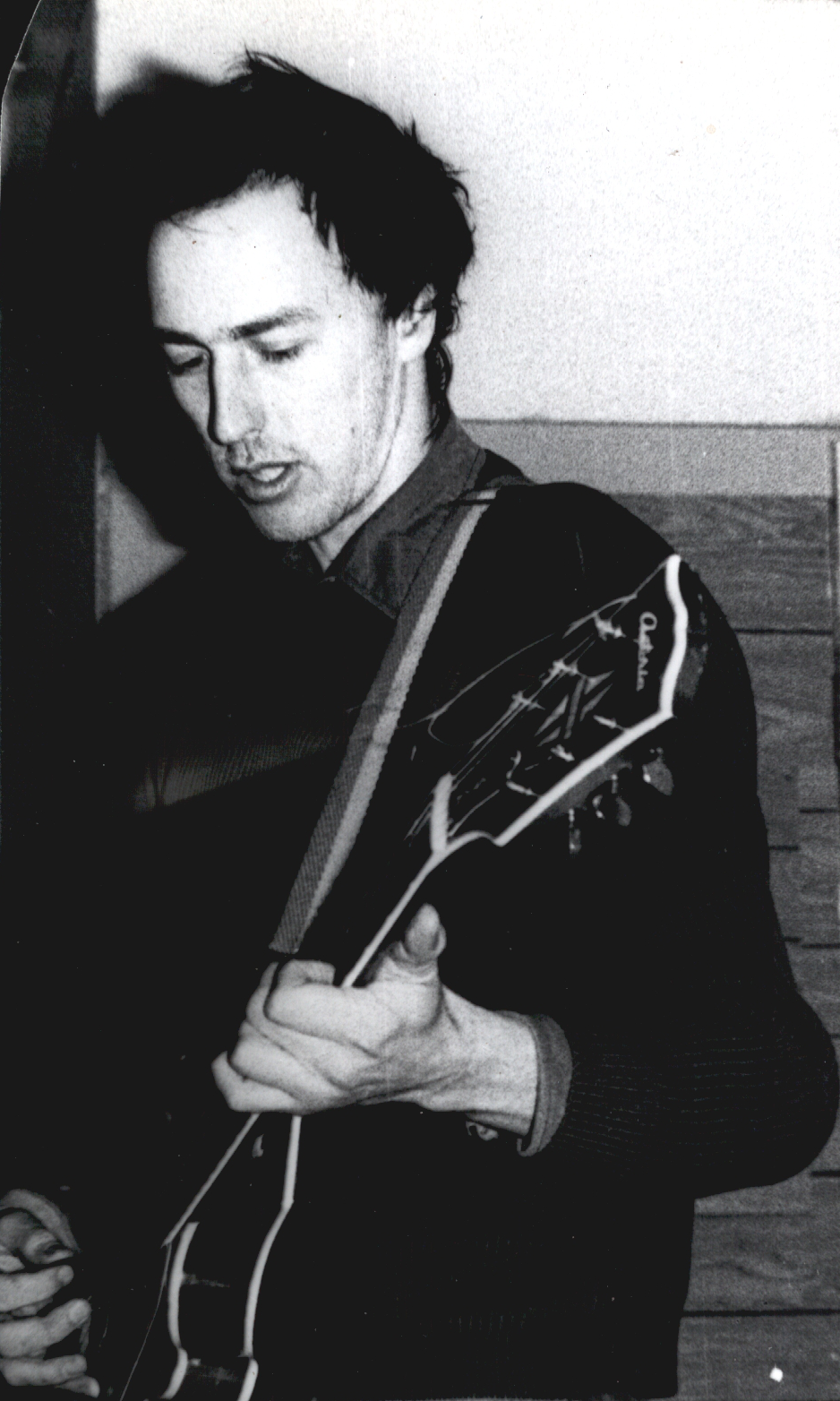
The transition from punk to gothic rock was neither instantaneous nor premeditated. Rather, it represented a gradual evolution driven by both aesthetic preferences and practical musical experimentation. Several factors converged to produce what would eventually be recognised as the gothic sound.
First, the visual aesthetic shifted organically. Punk had celebrated multicoloured hair dye and outlandish dress, but over time, black became the dominant colour. This was partly a matter of convenience — black clothing was easier to maintain, particularly for musicians constantly on tour (UK Decay toured Berlin five times in eighteen months, driving there on each occasion). The practicality of black merged with a developing taste for darker imagery and themes, producing a visual identity that distinguished this emerging scene from the brighter palette of mainstream punk and new wave.
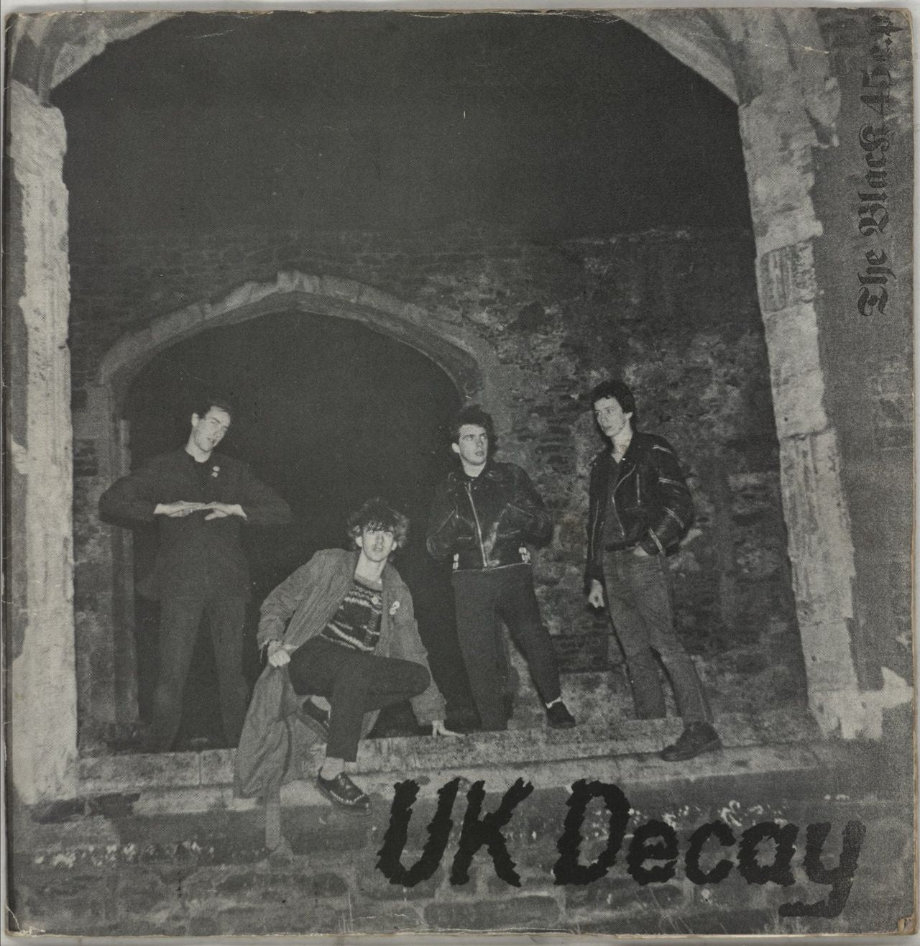
Second, and more significantly, the musical palette underwent a fundamental transformation. Spon’s decision to begin playing guitar with only four strings (the two top treble strings removed) produced a lower, darker tone. This unconventional approach — essentially transposing the guitar’s range closer to that of a bass, but pitched one octave higher — created a distinctive timbre that contributed to UK Decay’s brooding sonic character. Spon later progressed to five strings and eventually to a standard six-string configuration, but the initial four-string period coincided with the band’s earliest recordings, including the Black 45 EP (recorded in October 1979, shortly after Spon joined UK Decay from Pneumania).
The rhythmic approach also diverged markedly from punk convention. Whereas American punk bands of the era favoured rapid three-quarter-time delivery — the sharp, fast style particularly associated with Californian punk — UK Decay and their contemporaries gravitated towards slower, heavier rhythmic patterns. A characteristic “dumpy-dumpy” rhythm, based on a straightforward 6/4 time signature on the drums, became a signature element. Tracks such as “Werewolf” exemplify this proto-gothic rhythmic sensibility, combining a ponderous, insistent pulse with atmospheric guitar work and dark lyrical content.
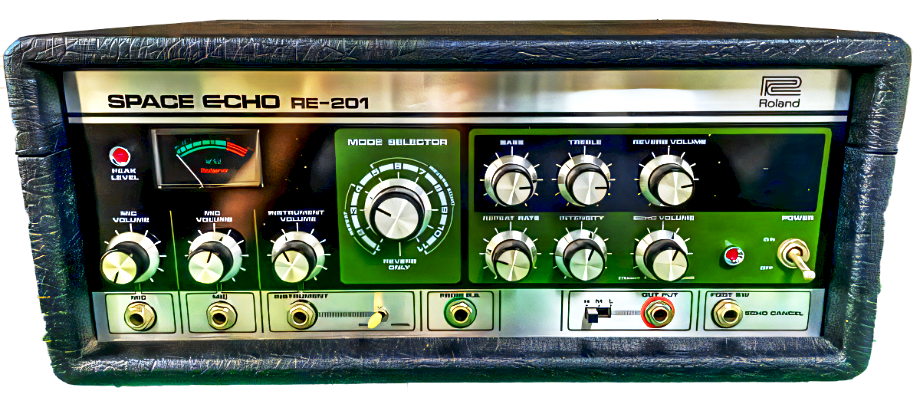
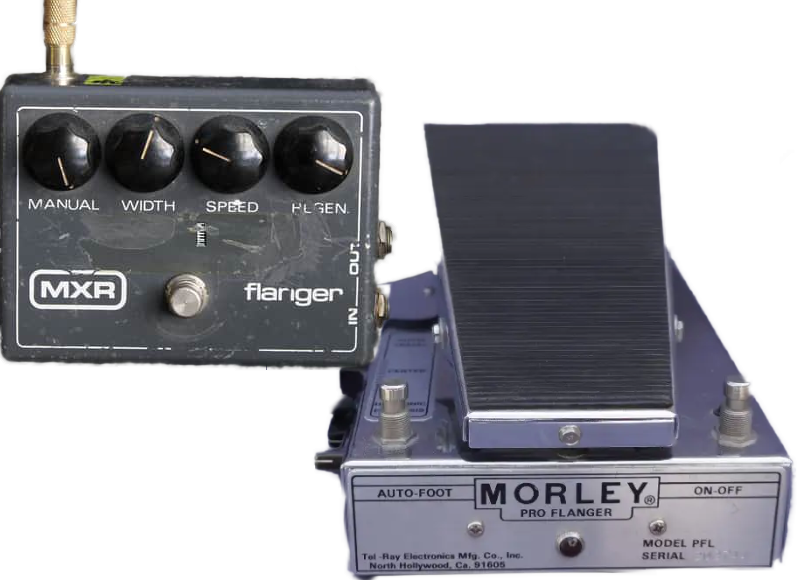
The use of emerging guitar technology further expanded the sonic possibilities. Effects such as the WEM Copycat (a tape echo unit), the Roland Space Echo, and various flanger pedals allowed guitarists to produce the reverberant, atmospheric textures that would become hallmarks of gothic rock. Primitive synthesisers, becoming increasingly affordable, added further layers of sonic experimentation. These technological developments enabled musicians to move beyond the deliberate simplicity of early punk and to create the more complex, immersive soundscapes that defined the emerging genre.
Spon identifies several key musical influences on UK Decay’s developing sound. John McKay, the guitarist of Siouxsie and the Banshees, was a significant personal influence. Siouxsie and the Banshees, formed in London in 1976, are widely recognised as one of the cornerstones of the early gothic scene. Their albums “Join Hands” (1979) and “Juju” (1981) are considered seminal works in the gothic canon, with their blend of swirling guitars, tribal rhythms, and Siouxsie Sioux’s commanding vocal style establishing a template that many subsequent gothic acts would follow.
David J’s use of a reggae-inflected downbeat in Bauhaus, combined with Daniel Ash’s distinctive guitar work (often processed through a Copycat echo unit), also made a strong impression. The incorporation of dub and reggae rhythms was a broader characteristic of the post-punk period; punk’s connection with Jamaican music, epitomised by figures such as Don Letts (the “Rebel Dread”), created a cross-cultural dialogue that enriched the developing sound.
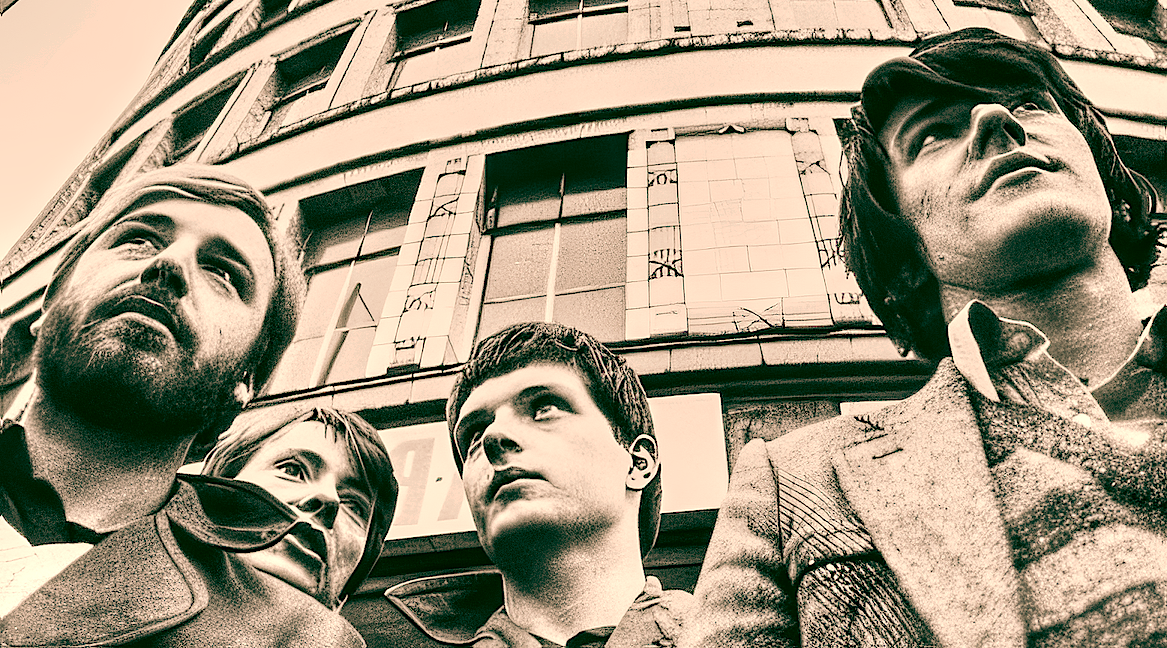
Joy Division represented another foundational influence, particularly on UK Decay’s original bassist, Martin “Segovia” Smith. Smith was deeply impressed by Peter Hook’s distinctive bass sound — the high, melodic Rickenbacker tone that became one of Joy Division’s most recognisable characteristics. Smith adopted a similarly trebly, sharp Rickenbacker tone for UK Decay’s early material. When Smith departed the band after approximately a year, his eventual replacement, Eddie “Twiggy” Branch, brought a markedly different approach: the use of a chorus pedal produced warped, undulating bass tones that Spon describes as futuristic. Branch’s innovative bass work, combined with the tight drumming of Steve Harle, formed a formidable rhythm section that elevated UK Decay’s sound during their most productive period.
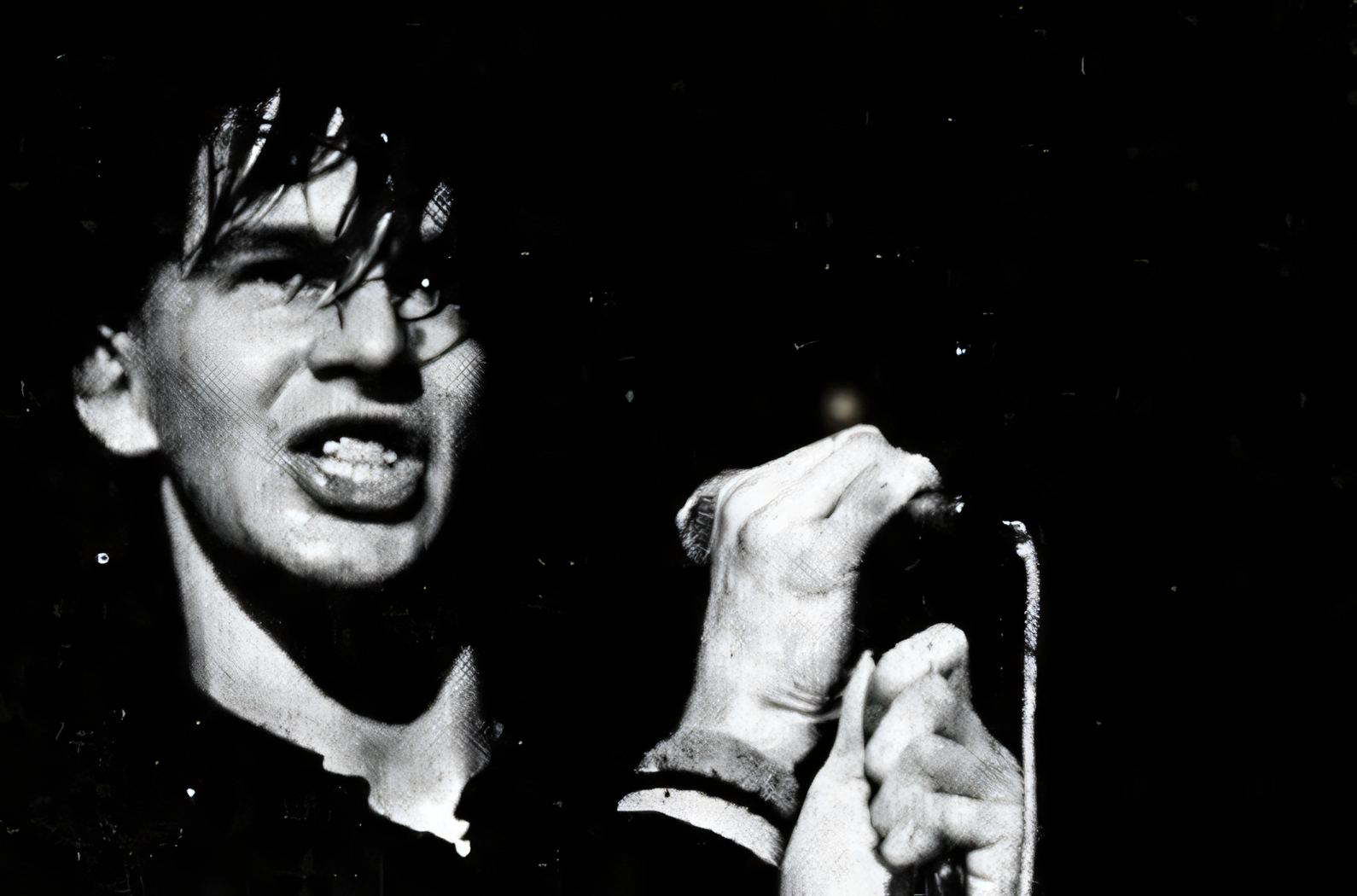
Lyrically, the band’s direction was shaped by vocalist and guitarist Steve “Abbo” Abbott, who had a pronounced literary sensibility and a particular affinity for dark literature, including the works of Hermann Hesse. Abbott consistently sought to expand beyond the narrow confines of punk’s established subject matter, drawing on Gothic literary traditions, themes of decay and darkness, and a broader intellectual engagement with existential questions. Tracks from the Black 45 EP and subsequent releases such as “Disco Romance” demonstrated a sonic palette saturated with dark, atmospheric textures.
5. Second-Generation Punk and the Imperative for Evolution
A crucial contextual factor in the emergence of gothic rock was the widespread recognition, among bands of UK Decay’s generation, that punk required evolution. UK Decay and their contemporaries were not first-generation punk acts. They were what is properly termed second-generation punk: artists who had been inspired and galvanised by the original wave (the Sex Pistols, The Clash, The Damned, the Buzzcocks) but who recognised that punk’s initial shock tactics had run their course.
The punk landscape of the early 1980s presented several competing visions for the genre’s future. On one hand, the Oi! movement, championed by journalist Gary Bushell, proposed a street-level, working-class continuation of punk energy. Spon expresses reservations about this direction, noting its propensity for right-wing associations. On the other hand, anarcho-punk acts such as Crass and the Poison Girls pursued a politically radical direction with which UK Decay had some philosophical sympathy, though they considered the musical expression too constrained.
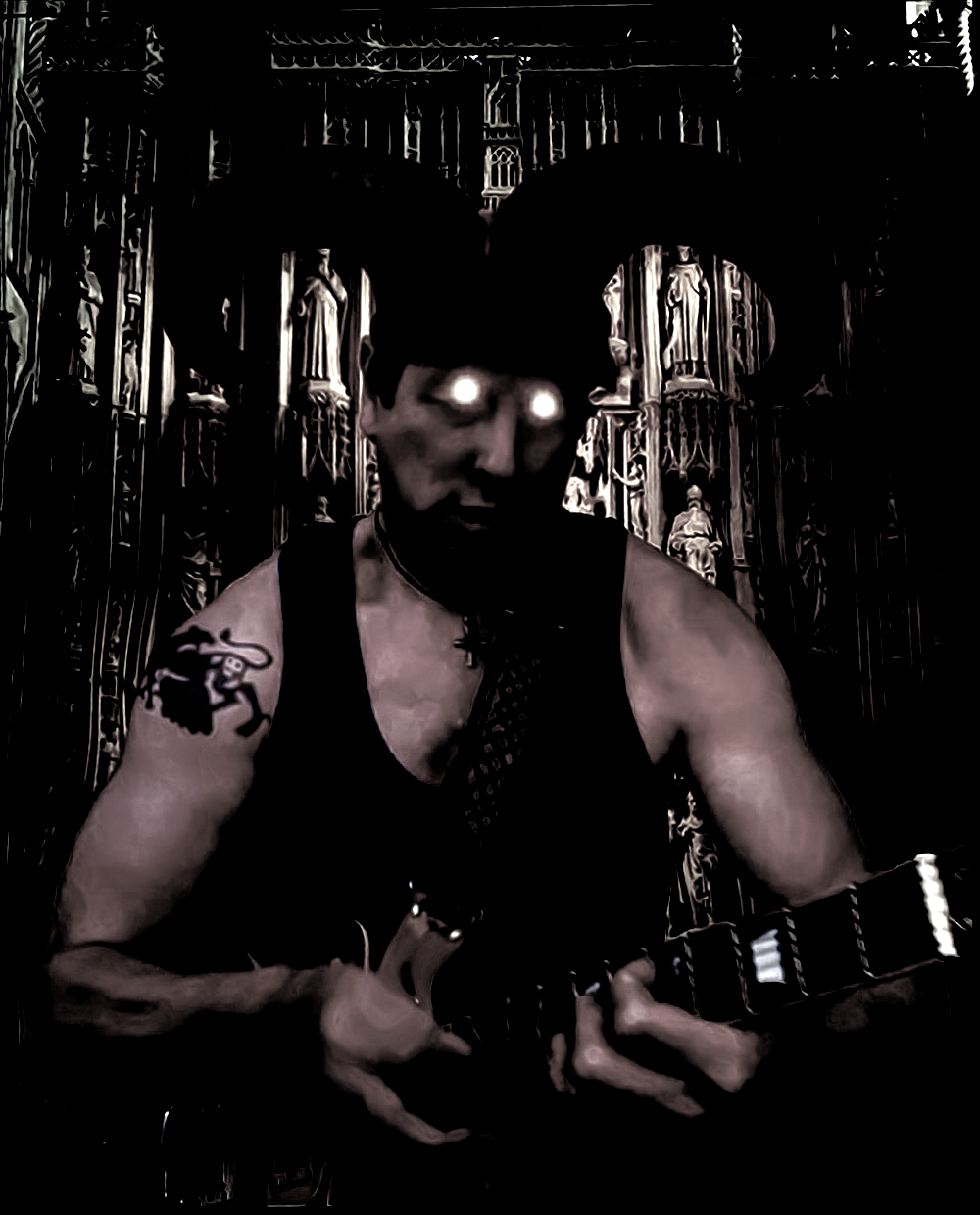
UK Decay’s preferred direction was to explore slower rhythms, darker atmospheres, and more experimental sonic textures. This was not merely an aesthetic preference but a deliberate artistic programme: to create music that transcended the standard structures of punk (the conventional 1-6-3-2 chord progressions) whilst retaining punk’s energy and DIY ethos. The result was what might now be described as post-punk or proto-gothic rock, though at the time no such terminology existed. As music historian Simon Reynolds has noted, the post-punk period was characterised by bands that departed from the harsher sounds of traditional punk rock and experimented with funk, jazz, electronic music, dub, and other non-punk influences, seeking a wider medium for artistic expression.
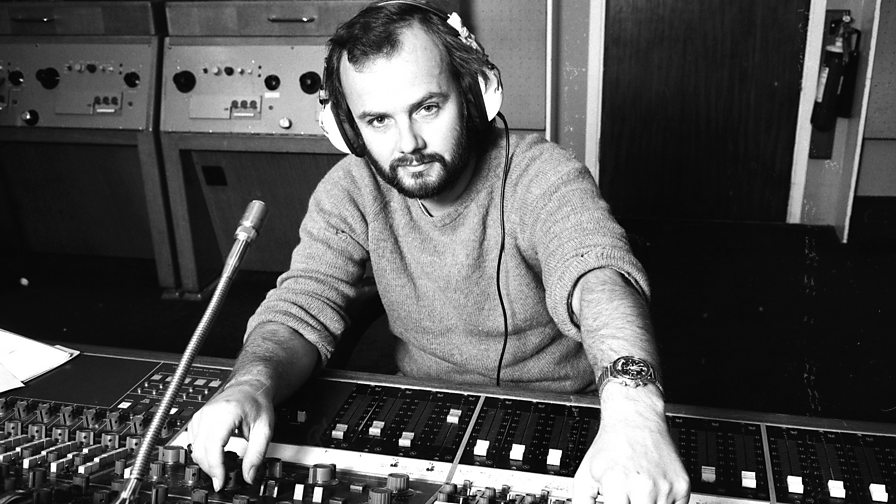
The role of John Peel’s BBC Radio programme in disseminating this new music cannot be overstated. In the pre-internet era, Peel’s nightly two-hour broadcast served as the primary conduit through which new and experimental music reached audiences beyond London. Spon describes recording Peel’s shows on cassette and listening to them in his van during his daytime delivery rounds, thereby encountering a vast range of new British, American, and European music. This experience of discovering the Fall whilst driving through the still-smoking steelworks of Corby captures the industrial landscape of late-1970s Britain under the early Thatcher government — a backdrop that profoundly influenced the bleak, urban sensibility of much post-punk and proto-gothic music.
6. The Naming of Goth: Competing Origin Stories
One of the most contested questions in the history of the gothic subculture is the origin of the term “goth” itself. Spon’s testimony confirms that multiple origin stories circulate, and that no single, definitive account can be established. Several parallel narratives coexist, each with documentary support.
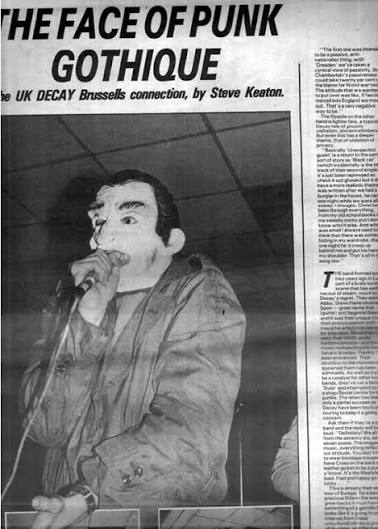
The first and arguably most significant attribution involves UK Decay’s own frontman, Abbo (Steve Abbott). According to multiple historical sources, including the Wikipedia entry for the Goth subculture, in February 1981 the music journalist Steve Keaton published an article in the magazine Sounds entitled “The Face of Punk Gothique,” using a term that Abbott himself had coined to describe UK Decay’s music. Keaton speculated whether this might represent “the coming of Punk Gothique,” noting that Bauhaus was “flying in on similar wings.” Writer Cathi Unsworth considers Abbott to have been the first person to ascribe the term to the music and the emerging subculture with which it would become associated.
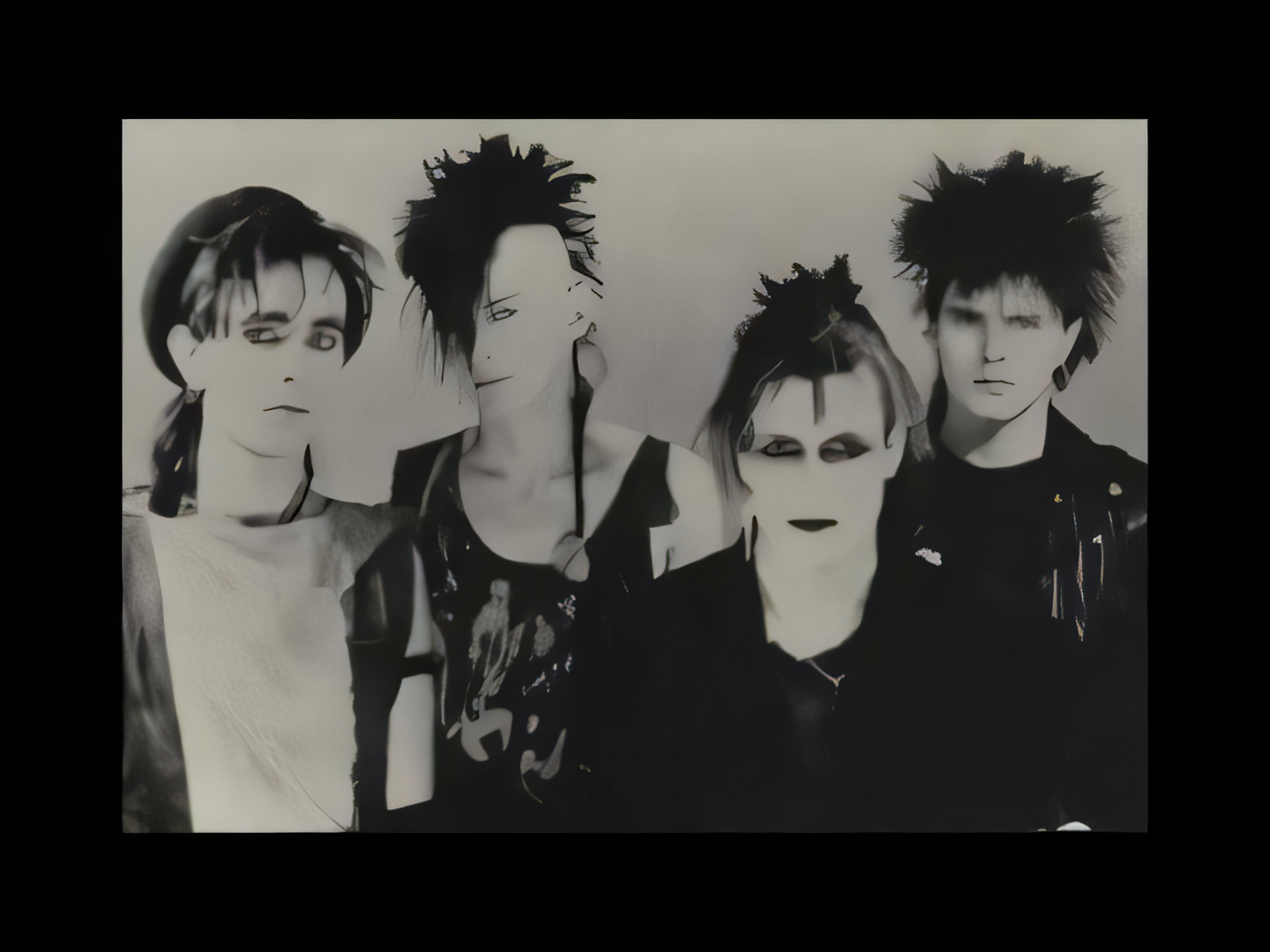
The second origin story concerns Andy of Sex Gang Children, who was reportedly known as the “Gothic Goblin” of “Visigoth Towers” — the name given to the building in which he resided. His followers came to be referred to as “Goths” by association. Spon notes that this appellation was likely propagated through the music press. In a related account, Ian Astbury of Southern Death Cult reportedly used the term “gothic goblins” to describe Sex Gang Children’s fans in 1982.
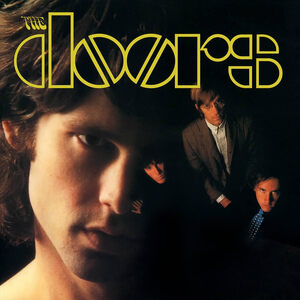
A third attribution involves the music press more broadly. The term “gothic” had been applied to rock music as early as 1967, when critic John Stickney described The Doors’ music as “gothic rock” in a review published in the American student newspaper The Williams Record. In the UK context, NME’s Nick Kent referred to “gothic rock architects like The Doors and certainly The Velvet Underground” in a 1978 review of a Siouxsie and the Banshees concert at London’s Roundhouse. Producer Martin Hannett also described Joy Division’s sound in similar terms.
From Spon’s perspective, the terminology was not fixed during the period in which he was actively performing with UK Decay (1979–1983). Abbott routinely used the expression “Gothy types” in casual conversation, referring to figures such as Dave Vanian of The Damned (whose vampire-inspired stage persona anticipated much of the gothic visual aesthetic), but there was no established genre name. The music existed before the label.
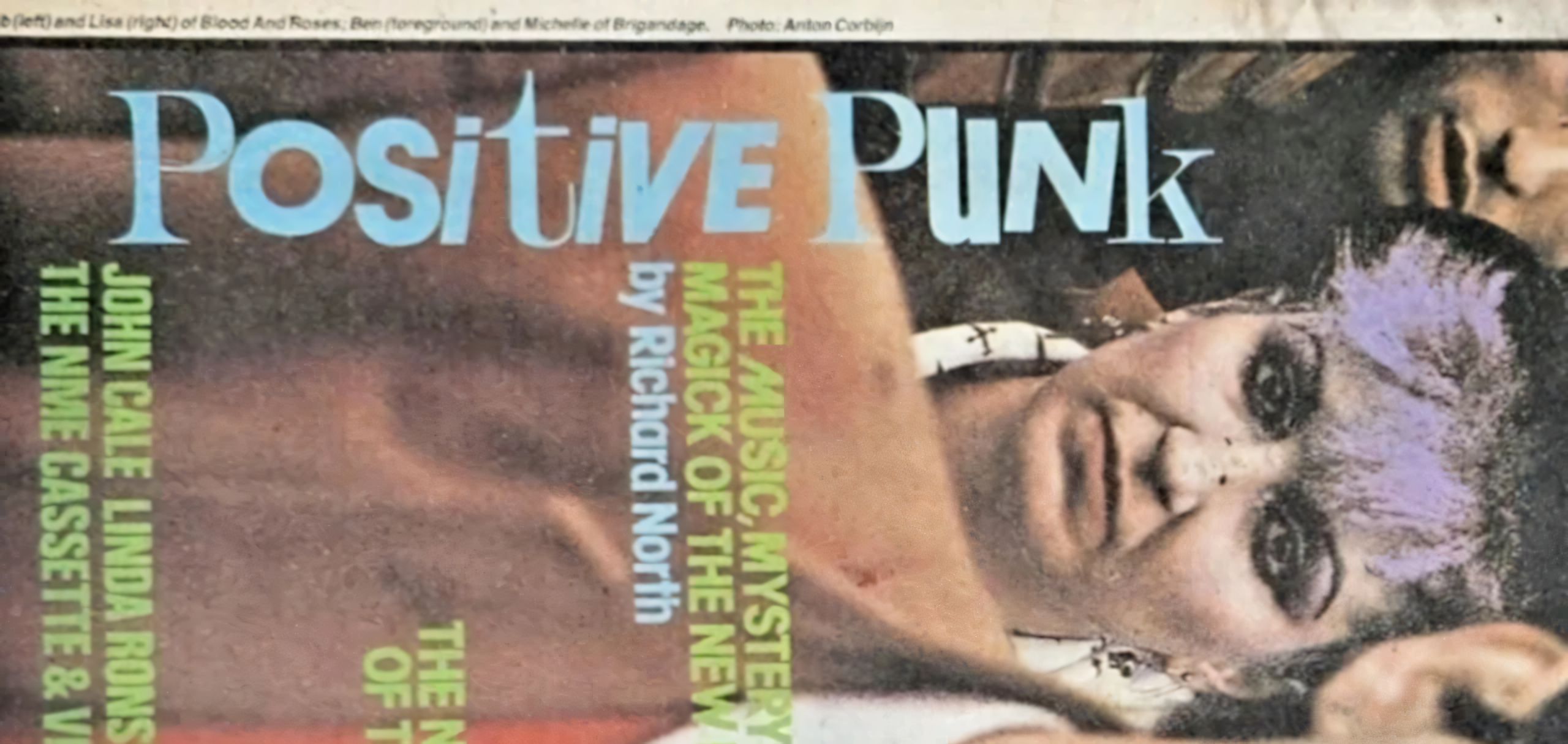
The term “positive punk” represents another important taxonomic attempt. In February 1983, journalist Richard North (also known as Richard Cabut) published a front-page article in the NME describing groups such as Bauhaus, Theatre of Hate, and UK Decay as part of a “positive punk” movement. This article appeared after UK Decay had already disbanded in early 1983. Other acts associated with the positive-punk designation included Alien Sex Fiend, Brigandage, the Mob, Rubella Ballet, Sex Gang Children, and Southern Death Cult. The term “positive punk” was intended to distinguish this darker, more artistically ambitious strand of punk from the Oi! movement and other directions.
Spon recalls a specific occasion at St Albans City Hall in late summer 1982 when discussions about naming the movement took place with Richard North. There was a conscious desire to establish a positive identity for the emerging scene, as much of the surrounding cultural discourse was characterised by negativity. The “positive punk” label was one proposal, though it was sometimes mocked as “possi punk.” Ultimately, as BBC Radio DJ John Peel noted on 14 June 1983, the NME abandoned “positive punk” in favour of “goth” as the preferred descriptor for the scene and subculture. The multiple competing narratives for the origin of the term reflect the organic, decentralised nature of the movement’s formation — a process in which no single individual or institution exercised definitive authority.
7. The Batcave, the London Scene, and the Consolidation of Goth
Although UK Decay was based in Luton, the band became increasingly involved in the London scene as the early 1980s progressed. Abbott relocated to London, moving into Brixton and reportedly sharing accommodation with Andy of Sex Gang Children for a period — a cohabitation that may well have contributed to the “Visigoth Towers” mythology surrounding the origin of the term “Goth.” UK Decay played venues including the Zig Zag Club and University College London, and began curating support acts for their London performances.
Among the bands UK Decay championed were Sex Gang Children (initially known under a different name before adopting their more provocative moniker) and Southern Death Cult from Bradford. Abbott used his London connections to secure gigs for these acts, who had specifically requested his assistance in gaining access to the capital’s venues. This curatorial role positioned UK Decay as facilitators of the emerging scene, not merely participants in it.
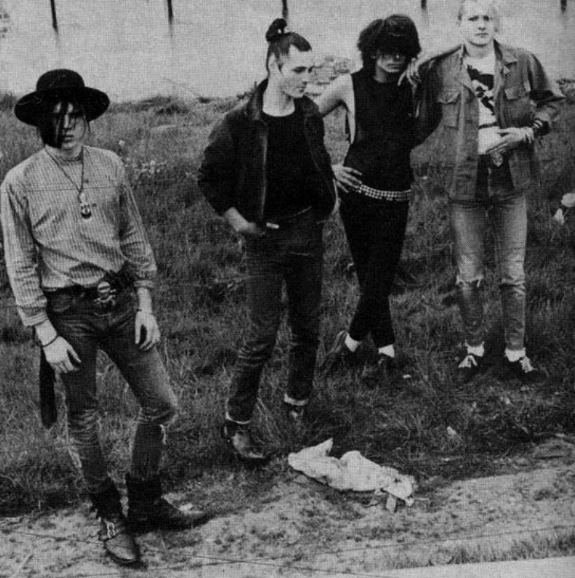
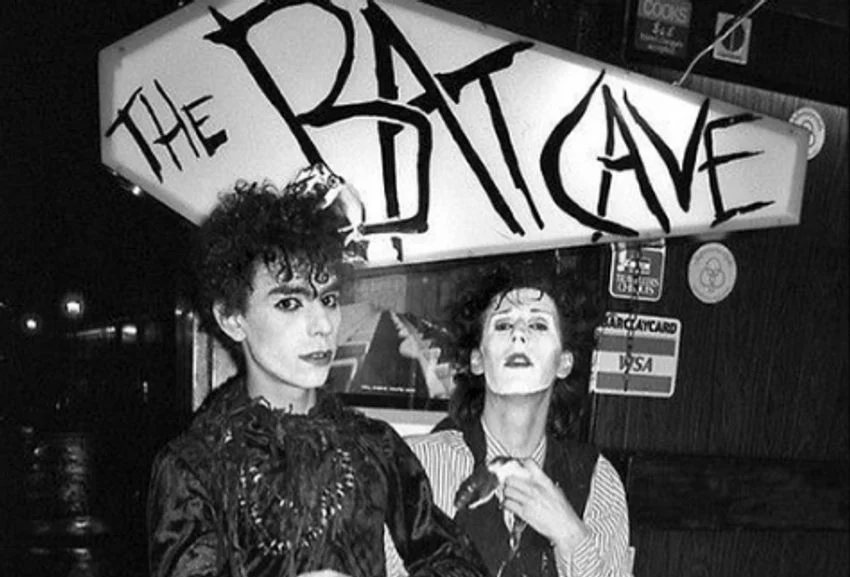
The opening of the Batcave nightclub in Soho’s Meard Street on 21 July 1982 provided the movement with a permanent physical locus. The Batcave became the definitive venue for the coalescing gothic subculture, attracting regular patrons including Siouxsie Sioux, Robert Smith of The Cure, Marc Almond, and Nick Cave. Bands such as Specimen and Alien Sex Fiend performed there frequently, developing sounds strongly influenced by horror themes in British popular culture. The Batcave’s décor — featuring swirling smoke, rubber bats, and cobwebs drawn from standard horror-film props — established a visual template that would become synonymous with gothic club culture.

By 1982, UK Decay’s audience was growing steadily with each performance. More and more bands were forming in the same vein, and a visible drift away from conventional punk was underway. As Spon recalls, “everyone was coming away from pure punk.” The album “For Madmen Only,” released on Fresh Records in December 1981, had consolidated UK Decay’s position. Fresh Records, run by Alex Howes and Alan Houser from London (the latter still operating the label’s successor, Jungle Records), had licensed the Black Cat EP and signed the band for an album deal. The album’s gestation was protracted owing to a US tour and difficulties in finding a permanent replacement for the departed bassist Martyn Smith.
8. UK Decay in America and the Birth of Deathrock
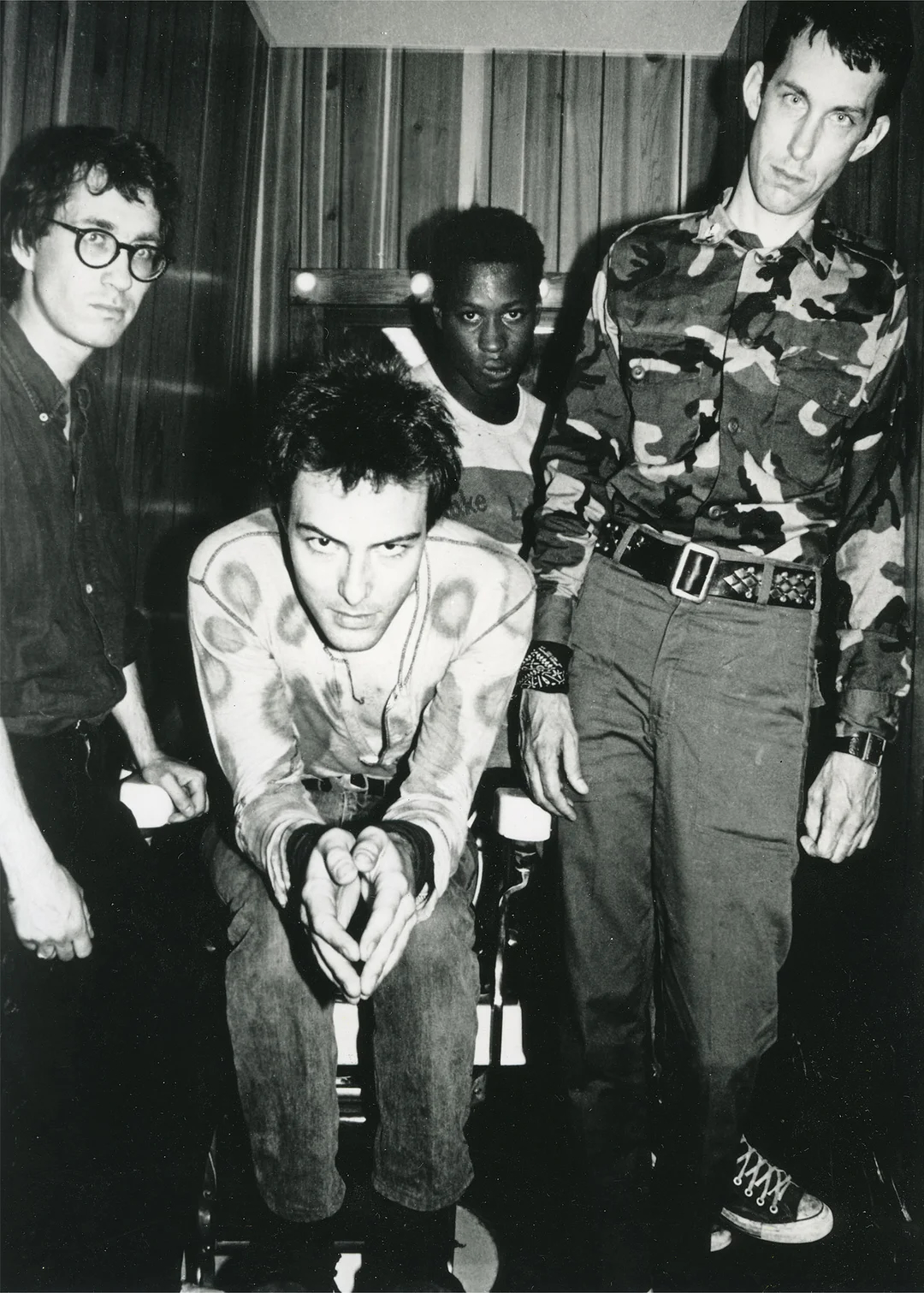
UK Decay’s tour of the United States proved to be a seminal event not only for the band but for the transatlantic development of dark music. When they performed in America, the dominant punk aesthetic was the rapid, aggressive style associated with Californian hardcore. Audiences accustomed to fast three-quarter-time punk were initially hostile to UK Decay’s slower, heavier, more atmospheric approach, and the band received thrown cans and bottles during early performances. However, by the conclusion of each set, significant portions of the audience had been won over by the unfamiliar sound.
Within approximately six months of UK Decay’s American performances, local bands began emulating the darker, slower style. Spon identifies this period — from 1982 onwards — as the beginning of what became known as deathrock. The deathrock movement, centred primarily in Los Angeles and the broader Southern California punk scene, represented the American counterpart to British gothic rock. Pioneering deathrock acts included Christian Death (led by Rozz Williams), 45 Grave (featuring vocalist Dinah Cancer), Kommunity FK, and Super Heroines. These bands fused punk rock’s raw energy with gothic aesthetics, horror-inspired themes, and the atmospheric sonic textures that UK acts like UK Decay, Bauhaus, and Siouxsie and the Banshees had been developing.
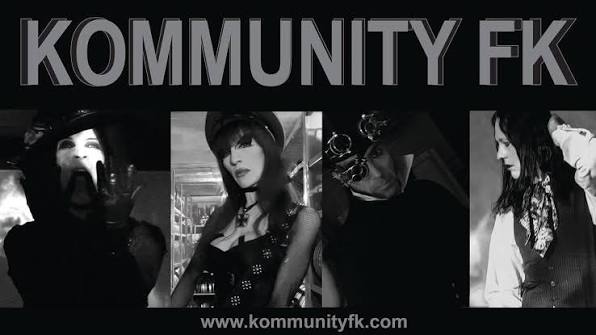
The cross-pollination between British gothic rock and American deathrock intensified in subsequent years. In 1983, the Gun Club toured Europe, and in 1984, Christian Death followed suit, enabling direct mutual influence between the two scenes. By 1984, Californian deathrock band Kommunity FK was touring with UK Gothic rock band Sex Gang Children. As Rozz Williams of Christian Death later observed, the term “gothic rock” eventually became preferred over “deathrock,” a shift he attributed to the influence of the Sisters of Mercy. The two scenes — British gothic rock and American deathrock — ultimately merged under the broader “goth” banner, though deathrock retained a distinct identity characterised by its rawer punk energy and more explicitly horror-themed imagery.
Spon expresses regret that UK Decay disbanded in early 1983, just as these transatlantic connections were solidifying. Had the band continued and returned to America, the trajectory of their influence might have been different. Nevertheless, UK Decay’s role in catalysing the American dark music scene remains historically documented and acknowledged.
9. Politics, Racism, and the Gothic Subculture
An important dimension of the early gothic scene that is sometimes underappreciated in contemporary discourse is its political context. Spon provides direct testimony regarding the far-right threat that confronted punk and proto-gothic musicians in 1980s Britain. Members of the British Movement, a neo-fascist organisation active during this period, targeted individuals who were visually identifiable as punks or members of emerging alternative subcultures. The mere act of adopting an unconventional appearance — dyed hair, unusual clothing, punk styling — made individuals conspicuous targets for intimidation and violence.
UK Decay participated in gigs organised under the Rock Against Racism banner, a movement founded in 1976 in response to racist comments made by Eric Clapton and David Bowie, which organised concerts and events combining music with anti-racist activism. Spon describes occasions on which the band and their associates were compelled to physically defend themselves against far-right aggressors. This was not an abstract political engagement but a matter of immediate personal safety.
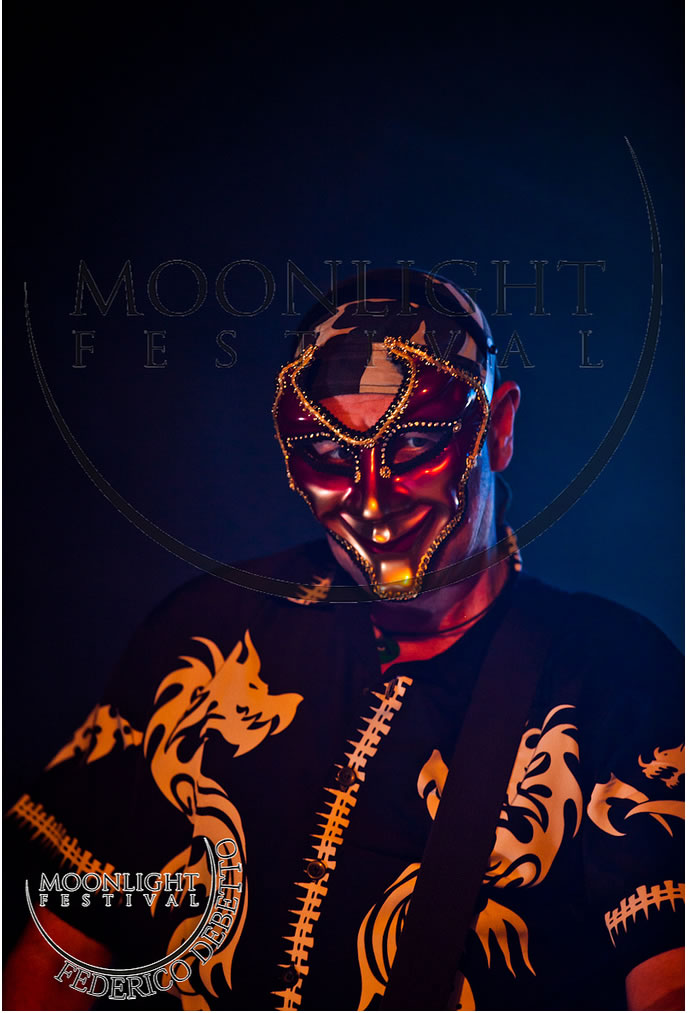
the very act of looking different was a political statement in itself”
This historical reality bears directly on a contemporary debate within the gothic subculture concerning whether goth is or should be regarded as “political.” Spon’s position is nuanced: whilst acknowledging that club nights and musical events can serve as sanctuaries from political conflict — spaces where individuals can temporarily set aside the pressures of the outside world — he maintains that politics cannot be entirely excluded from the gothic experience. The very act of looking different, of adopting an unconventional visual identity, carries political implications. One may create environments in which overt political discussion is suspended, but the broader political reality in which members of the subculture exist cannot be ignored. In Spon’s formulation, the sanctuary from politics that a club night provides is real but necessarily temporary; the political world persists outside the venue’s doors.
UK Decay’s ethos was characterised by openness and inclusivity. The band’s extensive touring in Europe, particularly in the electronic dance music scenes of Germany and the Netherlands in the late 1980s, exposed them to diverse communities and musical traditions. Spon emphasises that the quality of the music, rather than the identity of its creators, was always the paramount consideration. This open-minded approach — embracing influences from reggae, dub, electronic dance music, and diverse cultural sources — was fundamental to the creative vitality of the early gothic scene.
10. The European Gothic Festival Circuit and Dark Electronic Music
The relationship between gothic rock and electronic music constitutes an important thread in the subculture’s evolution. Spon’s career trajectory illustrates this connection. After UK Decay’s dissolution in 1983, he transitioned towards production and sound engineering, working with the EBM (Electronic Body Music) and industrial act Click Click, among others. Through this work, and through his role driving and stage-managing bands on European tours, Spon gained direct exposure to the emerging electronic club scenes of Germany and the wider continent.
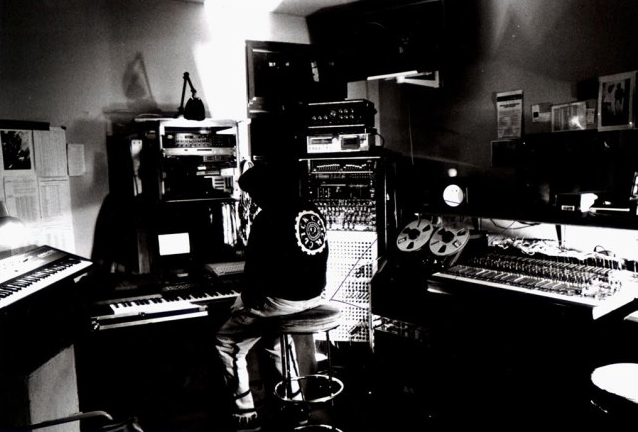
A formative experience occurred in approximately 1987–1988, when Spon visited a nightclub in the Dortmund area of Germany. The interior was entirely clad in stainless steel, and the music being played was an unfamiliar style characterised by cyclic structures, repetitive beats, and a dark, driving energy. This was an early encounter with what would develop into the various strands of dark electronic dance music. A subsequent visit to a Sheffield nightclub in early 1989, whilst working on a Click Click album, reinforced this impression. The club featured a sound system positioned on the dance floor rather than on a raised stage, with dancers moving around the equipment to pounding four-to-the-floor rhythms — an experience that prefigured the house music explosion of the late 1980s and the subsequent development of what is now termed EDM (Electronic Dance Music).
The convergence of gothic and electronic music found its most visible expression in the festival circuit. Spon references the Wave-Gotik-Treffen (WGT) in Leipzig, Germany, one of the world’s largest gothic and dark-music festivals, where UK Decay performed upon their reformation. He also mentions the Bats Cave festival in the Netherlands and the Castle Festival in Poland (where a UK Decay performance was memorably interrupted by a thunderstorm). These festivals represent the institutional infrastructure of the contemporary gothic subculture, providing annual gathering points for a globally dispersed community.
The dark electronic dance music played at these events and at regular goth club nights represents a significant evolution from the guitar-based gothic rock of the early 1980s. The integration of four-to-the-floor rhythms, synthesiser-driven textures, and darker sonic palettes has produced a hybrid form that maintains the atmospheric and thematic preoccupations of gothic rock whilst employing the sonic architecture of electronic dance music. Spon’s own later projects, including the bands Big Eye (which he described as “techno with guitars”) and Nostramus, explored precisely this intersection, combining programmed beats with dark guitar textures and moving from guitar-based composition towards keyboard and software-based production.
11. The Legacy: Humility, Documentation, and the Persistence of Goth
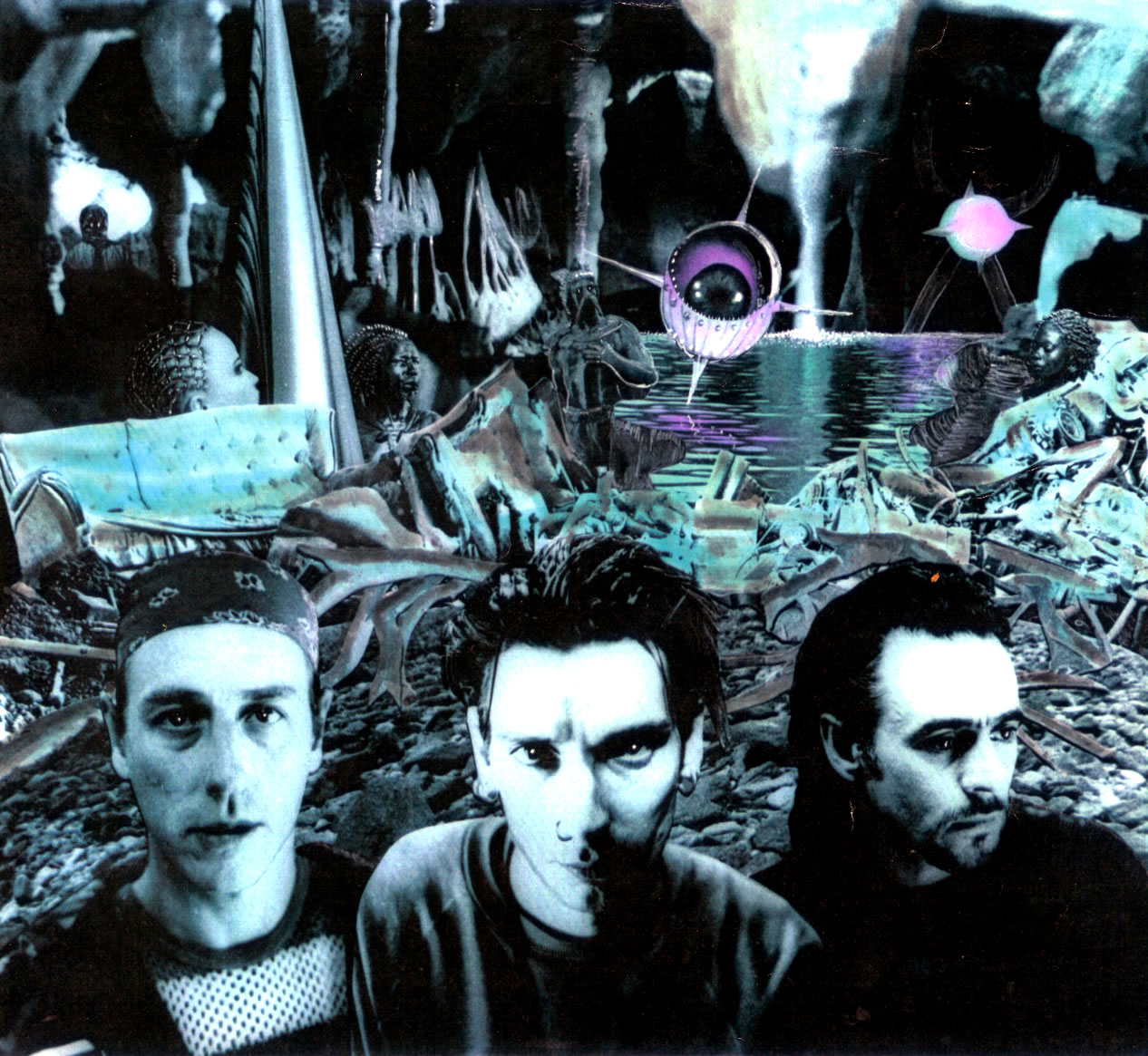
A striking characteristic of the first-generation gothic musicians, as evidenced by Spon’s account and corroborated by other interviewees from the same era, is their humility regarding their role in founding the subculture. Spon consistently characterises UK Decay’s contribution as having had “a small part to play” in a larger, collective movement. This modesty is historically significant in itself: the gothic subculture emerged not from a single act of artistic genius but from a decentralised network of bands, venues, fanzines, independent record labels, and individual enthusiasts, each contributing to an organic process of cultural formation.
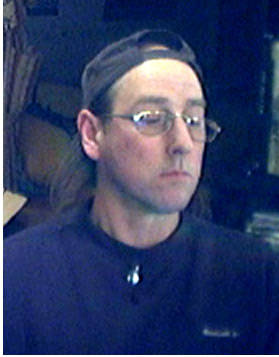
The importance of documenting the first-hand accounts of these founding figures, whilst they remain available, is a point of emphasis. As the original generation of punk and proto-gothic musicians ages, the risk of losing primary historical testimony increases. Written histories inevitably impose retrospective order on what was, at the time, a chaotic and unplanned process. The value of oral testimony from participants such as Spon lies precisely in its ability to convey the contingency, improvisation, and uncertainty that characterised the movement’s origins.
Spon’s account also reveals the extent to which the ethos of mutual support and egalitarianism that characterised the early punk scene carried over into the gothic movement. UK Decay made a deliberate decision, based on their own negative experiences as support acts, to treat their own support bands generously — providing them with adequate sound, stage space, and hospitality. This contrasted with the hierarchical practices they had encountered, in which headline acts monopolised resources and deliberately constrained their support bands. The principle that every band on a bill should be given the opportunity to perform at their best remains a valued ideal within the gothic community.
The gothic subculture, now more than four decades old, has evolved through multiple waves and iterations. From its origins in the post-punk scenes of the late 1970s, through the Batcave era and the positive-punk moment, through the second wave of the mid-1980s (the Sisters of Mercy, Fields of the Nephilim, the Mission), the third wave of the 1990s (incorporating industrial and electronic elements), and into the contemporary era, goth has demonstrated a remarkable capacity for renewal and adaptation. The first-hand testimony of figures such as Steve Spon serves as an invaluable corrective to retrospective narratives that impose false coherence on what was, in reality, a messy, exhilarating, and profoundly creative process of cultural invention.
12. General Considerations
The account provided by Steve Spon of UK Decay constitutes a primary source of considerable historical value for the study of the punk-to-goth transition. Several key conclusions may be drawn from this testimony, supplemented by specialist secondary sources.
The emergence of gothic rock was not a sudden rupture with punk but a gradual, organic evolution. The musicians involved did not set out to create a new genre; they were responding to a shared sense that punk needed to develop beyond its initial shock tactics. The darker direction emerged from a convergence of practical considerations (the convenience of black clothing on tour), musical experimentation (four-string guitars, slower tempi, echo and chorus effects), literary influences (Hermann Hesse, Edgar Allen Poe, H P Lovecraft and other Gothic fiction), and the cross-pollination of punk with dub, reggae, and early electronic music.
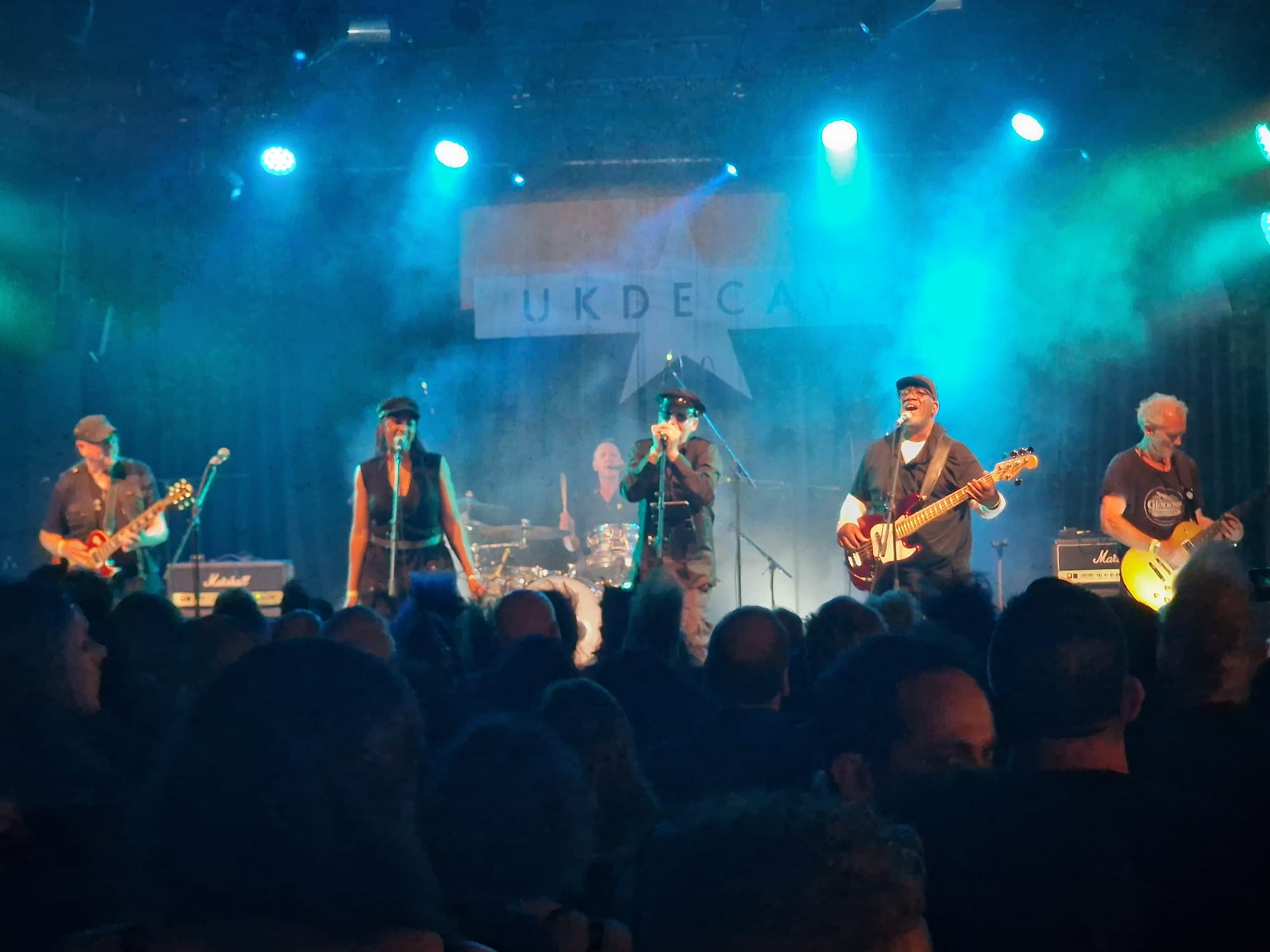
The geographical dimension of this evolution is significant. The Luton–Northampton axis, linking UK Decay with Bauhaus, was facilitated by mundane circumstances (Spon’s delivery van route). The proximity to London enabled participation in the capital’s cultural ecosystem without being absorbed by it. The provincial origins of so many key gothic acts (Bauhaus from Northampton, the Sisters of Mercy from Leeds, Southern Death Cult from Bradford) challenge any narrative that locates the movement exclusively in London.
The political dimension of the early gothic scene — the confrontation with far-right violence, the participation in Rock Against Racism, the ethos of inclusivity and open-mindedness — is an integral part of the movement’s history that ought not to be elided in contemporary accounts. The debate over whether goth is “political” is not a new one; it was being navigated by the first generation of gothic musicians in real time.
Finally, the question of terminology remains productively unresolved. The competing origin stories for the word “goth” — Abbo’s “punk gothique,” the “Gothic Goblin” mythology surrounding Sex Gang Children, the critical usage by journalists from Stickney in 1967 through Kent in 1978 to North in 1983 — collectively demonstrate that the naming of the movement was as decentralised and organic as the movement itself. The gothic subculture, in this light, was not founded but rather crystallised: a gradual process of solidification from a supersaturated solution of musical, aesthetic, literary, and social elements that had been accumulating throughout the late 1970s and early 1980s.

Hear Steve Spon discuss the above at Cranky Goth Poser
Steve Spon July 2026